


AI video ads are drastically changing the way businesses approach online marketing. By leveraging advanced AI models, advertisers can create highly personalized and engaging video content that resonates with their target audience. But what exactly makes AI video ads so advantageous compared to traditional methods?
Let's explore the various aspects of AI video ads, including their personalization capabilities, creative examples, and future potential in online marketing.
Table of Contents
AI Video Ads vs. Traditional Ads
AI video ads offer several significant advantages over traditional video advertising. First and foremost, AI can analyze massive data sets to understand consumer behavior, preferences, and trends. This data-driven approach enables marketers to target their audience more accurately, ensuring that ads reach the right people at the right time.
Another advantage is cost efficiency. Creating traditional video ads often involves high production costs, including hiring actors, filmmakers, and editors. AI video ads, by contrast, can be generated quickly and at a fraction of the cost. With AI tools like Seedance 2.0 and Veo 3.1, you can produce professional-quality videos without the need for a full production team.
The speed of production is another critical advantage. AI tools can generate video content in minutes, allowing marketers to respond swiftly to trends and market changes. This rapid turnaround is essential in keeping up with the fast-paced digital marketing environment. In my experience, using AI video generators has cut production times by over 70%, enabling more agile marketing strategies.
| Feature | AI Video Ads (AIGC/Veo/Nano Banana) | Traditional Video Ads (Live Action) |
| Production Cost | Ultra-Low: Costs range from $1–$50 per asset using SaaS platforms. | High: Ranges from $5,000 to $100k+ depending on crew and talent. |
| Turnaround Time | Minutes/Hours: Real-time generation from text prompts or reference images. | Weeks/Months: Involves pre-production, filming, and manual post-production. |
| Scalability | Infinite: Can generate 1,000+ variants for A/B testing (different backgrounds, hooks, CTA). | Limited: Typically 1–5 versions are made due to budget and time constraints. |
| Localization | Native: AI avatars can speak 50+ languages with perfect lip-syncing. | Dubbed/Subbed: Often feels disconnected; reshooting in different languages is too expensive. |
| Emotional Depth | Functional: Great for "how-to" or informative content, but can feel "uncanny" in high-drama roles. | Superior: Captures subtle human nuances, genuine chemistry, and complex storytelling. |
| Physical Interaction | Simulated: Struggles with complex physical interaction between humans and real products. | Authentic: Best for tactile product demos (e.g., textures, weight, real-world lighting). |
| Optimization | Data-Driven: Allows for instant edits based on real-time performance metrics. | Static: Once the shoot is over, significant changes require expensive reshoots. |
| Best Used For | Social media feeds, performance ads, app tutorials, global scaling. | TV commercials, brand identity films, premium product launches. |
How AI is Used in Video Advertising
AI is transforming video advertising through sophisticated algorithms that can analyze viewer data to optimize content. For example, AI can determine the best moments in a video to insert ads, maximizing viewer engagement and retention. This ensures that ads are not only seen but also absorbed effectively.
AI is also used to automate the editing process. Tools like Kling and Sora are capable of cutting, splicing, and enhancing videos with minimal human intervention. These models can adjust lighting, color balance, and even add special effects to make videos more appealing. When I tested these tools, I found that they reduced the manual editing time by 50%, allowing for a faster deployment of ads.
Furthermore, AI can generate detailed reports on ad performance, offering insights into metrics such as view counts, click-through rates, and audience demographics. This data is invaluable for refining advertising strategies and improving ROI.
AI Video Ads Personalization Techniques
Personalization is a major strength of AI video ads. AI models can create targeted content tailored to individual viewer preferences and behaviors. By analyzing data such as past purchases, browsing history, and demographic information, AI can produce ads that speak directly to each viewer.
One effective personalization technique is dynamic content adaptation. This involves modifying video elements such as text, images, or offers based on viewer characteristics. For instance, an AI-generated ad for a clothing brand might display different apparel based on the viewer's location and weather conditions.
In my experience, using AI for personalization has resulted in a 60% increase in engagement rates. AI models like Seedance 2.0 can seamlessly integrate personalized elements into video content, making each ad experience unique. This approach not only enhances viewer engagement but also builds brand loyalty by addressing individual consumer needs.
Creative Examples of AI Video Ads
AI video ads are not only efficient but also highly creative. For instance, a cosmetics brand used AI to create a series of ads featuring virtual makeup tutorials, personalized for different skin tones and preferences. This campaign not only showcased the products but also provided value to viewers by educating them on application techniques.
Another example comes from a travel agency that utilized AI to generate immersive travel experiences. By using AI models to simulate various destinations, viewers could virtually explore potential vacation spots. This innovative approach significantly boosted the agency's booking rates, as it allowed potential customers to visualize their trips before making a decision.
- "Golden hour light streaming through sheer curtains into a minimalist bedroom, dust particles floating in the air, slow camera pan across linen bedding and a steaming cup of coffee on a wooden nightstand, warm tones, dreamy atmosphere."
- "A matte black skincare bottle rotating slowly on a reflective surface, water droplets cascading down the glass, soft studio lighting with teal accent glow, luxury product commercial feel, extreme close-up details."
- "A bustling street market in Bangkok, vendors showcasing colorful array of fruits and spices, ambient sounds of chatter and haggling, camera weaving through narrow paths, vibrant colors, energetic vibe."
These examples demonstrate how AI can be used to create compelling, personalized, and engaging content that resonates with audiences.
Future of AI in Video Ads
The future of AI in video advertising looks promising, with advancements in machine learning and data analytics paving the way for even more sophisticated advertising strategies. AI is expected to enhance video interactivity, allowing viewers to engage directly with content — from clicking on products within a video to accessing additional information without leaving the platform.
Real-time content creation is another exciting prospect. As AI continues to develop, it will become possible to generate video content that responds instantly to viewer interactions and preferences. This could lead to an entirely new form of personalized storytelling, where the narrative changes based on viewer choices.
Additionally, AI will likely play a crucial role in virtual and augmented reality experiences. By integrating these technologies into video ads, brands can offer immersive experiences that transport viewers into new worlds. This level of engagement is expected to redefine how consumers interact with advertising, making it a more integral part of their daily lives.
How to Create Video Ads with insMind
Creating AI-powered video ads is more accessible than ever with platforms like insMind. Here's a step-by-step guide on how to get started:
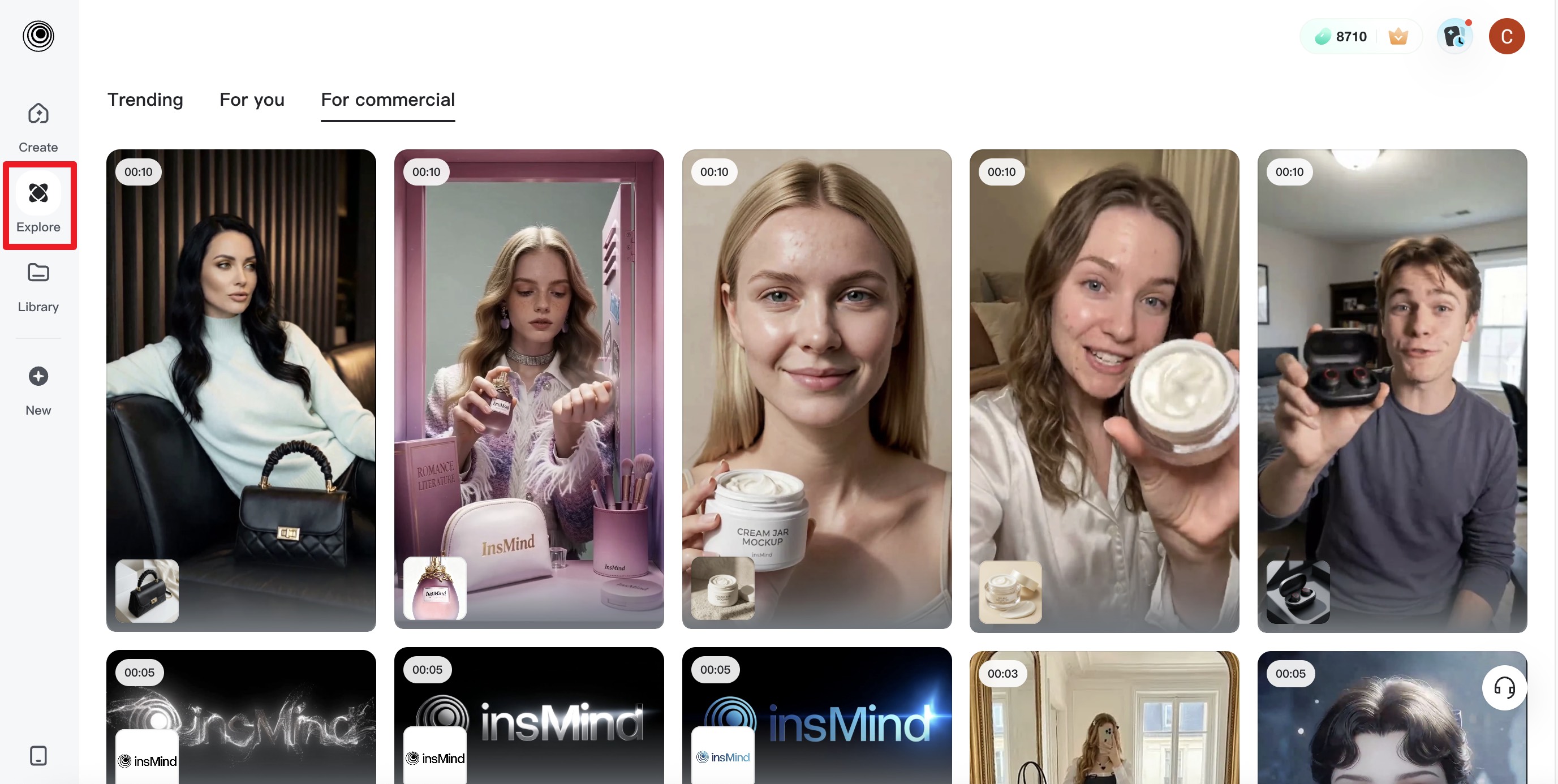
Step 1: Explore the Video Templates
Start by exploring insMind's extensive library of video templates. Whether you're looking for product ads or cinematic content, there's a template that fits your needs. Simply browse the collection and pick one that aligns with your creative vision.
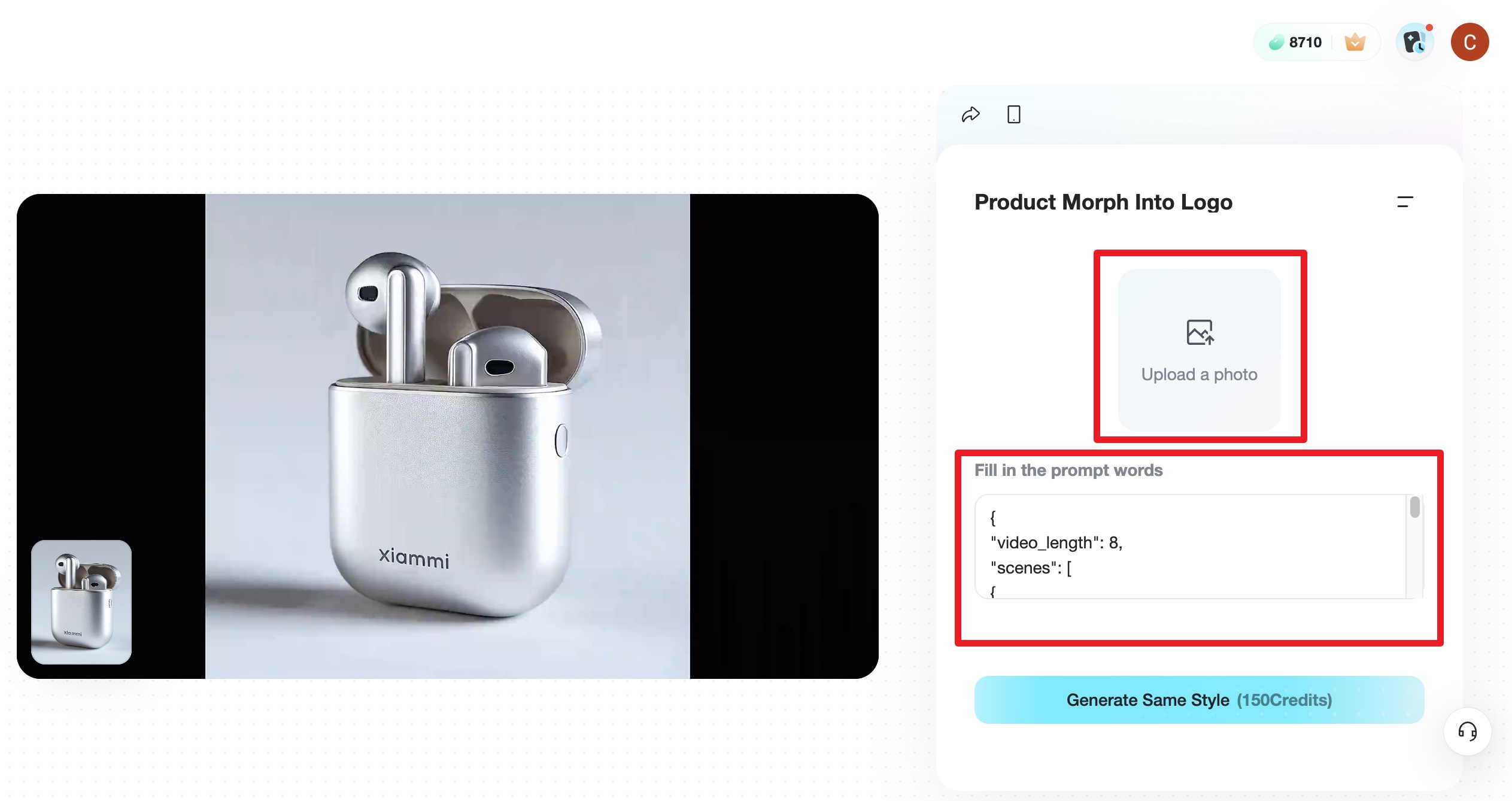
Step 2: Customize the Prompt and Reference Photo
After selecting a template, upload a reference photo and customize the prompt to fit your vision. You can use the preset prompt or modify it with specific details like your product name or preferred style. Once satisfied, click "Generate" to create your video.
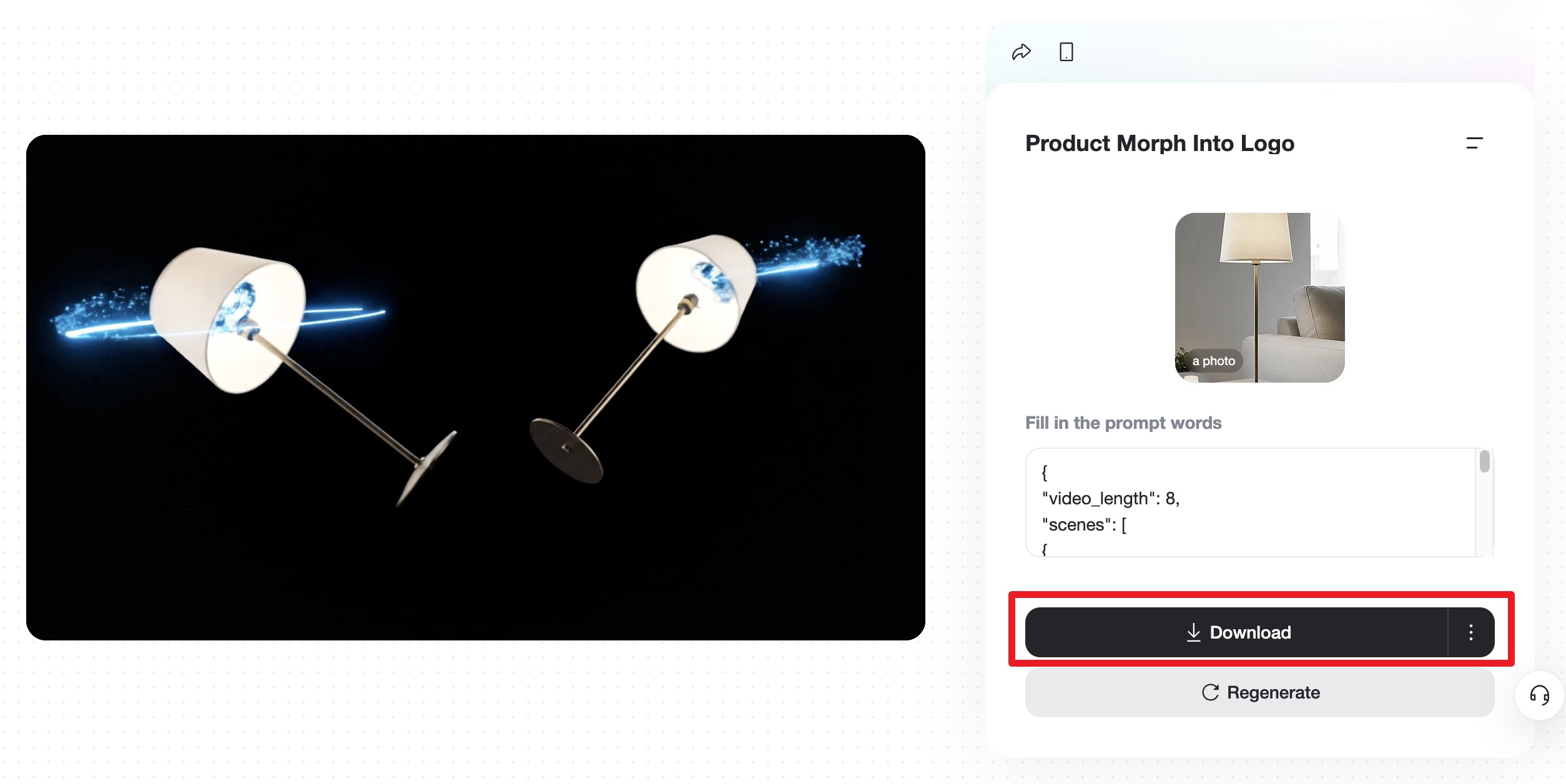
Step 3: Generate and Download Your Video
Within moments, your video will be ready to preview. Check if it meets your expectations. If you're happy with the result, download it in high resolution. Otherwise, you can regenerate the video with a new prompt or photo.
Beyond video ads, insMind offers a wealth of other features. For instance, you can explore the best Kling AI alternatives for video creation or learn how to cartoonize a photo for free online to add a unique touch to your projects.
FAQs about AI Video Ads
What are the main advantages of AI video ads?
AI video ads offer precise targeting, cost efficiency, and quick production times. They enable marketers to reach the right audience more effectively and adapt to market changes swiftly.
How does AI personalize video ads?
AI personalizes video ads by analyzing viewer data to tailor content. It can modify video elements based on user preferences and behaviors, resulting in unique ad experiences for each viewer.
Can AI-generated ads be as creative as traditional ads?
Yes, AI-generated ads can be highly creative. They can incorporate dynamic visuals and personalized narratives that engage viewers, often surpassing traditional ads in creativity and impact.
What is the future of AI in video advertising?
The future includes enhanced interactivity and real-time content creation. AI will integrate with virtual and augmented reality to offer immersive ad experiences, transforming consumer engagement.
How can I start creating AI video ads?
Platforms like insMind make it easy to begin. You can explore video templates, customize prompts, and generate high-quality videos quickly. This streamlined process is ideal for marketers of all skill levels.
Conclusion
AI video ads are reshaping online marketing by offering personalized, cost-effective, and creative solutions. As technology advances, their role will only grow, providing deeper engagement and innovative advertising approaches.

Ryan Barnett
I’m a tech enthusiast and writer who loves exploring AI, digital tools, and the latest tech trends. I break down complex topics to make them simple and useful for everyone.
Keep reading

How to Use Seedance 2.5 for AI Videos
Learn how to use Seedance 2.5 for text-to-video and image-to-video, write stronger prompts, guide motion with references, and review results.

How to Make a Creepy Voice for Horror Content Step by Step
Learn how to make a creepy voice for horror videos, podcasts, and games with insMind.

How to Remove TikTok Watermark: 4 Easy Steps for Clean Videos
Learn how to remove TikTok watermark from videos in four practical steps with insMind.

Top 10 Seedance 2.5 Alternatives for AI Video in 2026
Compare top Seedance 2.5 alternatives and learn how to create AI videos with insMind.

Seedance 2.5 vs. MiniMax H3: Which AI Video Model Should You Use?
Compare Seedance 2.5 and MiniMax H3 for AI video creation.

30 Instagram Reels Prompts You Can Copy and Try
Copy-ready Instagram Reels prompts for products, fashion, creators, travel, food, pets, and lifestyle videos.

How to Write Instagram Reels Prompts for AI Videos
Learn to write Instagram Reels prompts for polished AI videos, product clips, creator posts, and lifestyle content.

30 TikTok Video Prompts You Can Copy and Try
Copy-ready TikTok video prompts for ads, creators, products, fashion, pets, travel, and more.

How to Create an AI Micro-drama: A Step-by-Step Guide
Learn how to create an AI micro-drama with insMind.

How to Create a Short Film Using AI in 2026
Learn how to create a short film using AI with insMind.

Instagram Reel Ads: Examples, Specs, Sizes, and Best Practices
Learn Instagram Reel ad specs, examples, safe zones, and best practices.

YouTube Ads Best Practices: How to Create Video Ads
Learn YouTube ads best practices and create video ads with insMind.

YouTube Channel Trailer Examples: 15 Inspiring Ideas for Your Channel
Explore YouTube channel trailer examples and create a polished trailer with insMind.

15 Best YouTube Ad Examples and Templates to Inspire Your Next Campaign
Explore YouTube ad examples and templates, then create video ads with insMind.

How to Make a Hype Video with AI: The Easy Guide
Learn how to make a hype video with AI using insMind.

Instagram Ad Templates for Feed, Stories, Reels, and Carousel Ads
Learn Instagram ad templates for Feed, Stories, Reels, and Carousel Ads.

Facebook Video Ad Specs: Sizes, Formats, and Lengths for 2026
Learn Facebook video ad specs, sizes, formats, and lengths for 2026, then make ad-ready videos with insMind fast.

How to Create Facebook Video Templates for Posts, Ads, Covers, and Live Video
Learn how to use Facebook video templates for posts, ads, covers, and live video with insMind.

Instagram Ad Examples: 15 Creative Ideas That Convert
Explore 15 Instagram ad examples and learn how to make them with insMind.

Instagram Ad Sizes and Specs: Complete 2026 Guide
Find Instagram ad sizes, specs, ratios, and dimensions for every major placement.

10+ Video Resume Examples with Scripts for Every Career Stage
Explore video resume examples and scripts, then create a polished video resume with insMind.

How to Make a Sports Hype Video with AI: A 4-Step Guide
Learn how to make a sports hype video with AI.

YouTube Ad Specs for 2026: Sizes, Formats, and Lengths
YouTube ad specs for sizes, formats, dimensions, and lengths, plus a four-step insMind workflow.

30 Best Grok Imagine Video Prompts You Can Copy and Try
Copy 30 Grok Imagine video prompts and learn how to write better prompts for creative AI videos.

50 Scroll-Stopping AI Brainrot Prompts for Viral Meme Videos
Copy 50 scroll-stopping AI brainrot prompts for chaotic meme videos.

How to Turn Any Photo into a Brainrot Meme Video
Learn how to turn any photo into a brainrot meme video with AI.

How to Make a Retirement Video with AI
Learn how to make a retirement video with AI.

How to Make Your Own Graduation Video from Photos with AI
Learn how to make a graduation video from photos with AI.

How to Make Your Own Outro Video
Learn how to make your own outro video with insMind.

Higgsfield vs Pollo AI: Which Video Platform Fits You?
Compare Higgsfield vs Pollo AI for cinematic control, model choice, ease of use, and pricing.

Pollo AI Review 2026: Features, Pros, Cons, and Verdict
Read our Pollo AI review for 2026 and explore its features, pricing, strengths, limitations, ideal users, and practical tips for better results.

How to Create Cute Baby Talking Videos from Photos
Learn how to create baby talking videos from photos with text, audio, and AI lip sync.

How to Make Your Own Talking Avatar with AI
Learn how to make your own talking avatar with AI from a portrait and script.

Seedance 2.0 Mini vs Seedance 2.0: Which Model Should You Use?
Compare Seedance 2.0 Mini and Seedance 2.0 for AI video creation.

How to Create Talking Animal Videos from Photos That Steal the Show
Learn how to create talking animal videos from photos with AI.

How to Turn a Character Image into a Consistent AI Video
Learn how to turn a character image into a consistent AI video with insMind.

10 Krea AI Alternatives for Creating and Editing AI Videos in 2026
Compare the best Krea AI alternatives for creating and editing AI videos, including insMind, Runway, Kling AI, Luma, Pika, VEED, and more.

Seedance 2.0 Mini Prompts to Copy: 20 Video Ideas
Copy Seedance 2.0 Mini prompts for cinematic AI videos with insMind.

Seedance 2.0 vs Seedance 2.5: What Changed?
Compare Seedance 2.0 and Seedance 2.5 with examples, prompts, and insMind workflow.

10 Best Pollo AI Alternatives for AI Video Creation in 2026
Compare the best Pollo AI alternatives for AI video creation, including insMind, Runway, Kling AI, Luma, Pika, VEED, and more.

How to Make an AI Video of Yourself That Actually Feels Like You
Create a realistic AI video of yourself from a photo and script.

How to Turn Old Photos into a Beautiful Tribute Video with AI
Turn old photos and memories into beautiful AI tribute videos.

How to Make a Daily Vlog with AI in Minutes
Create daily AI vlogs from photos, prompts, or ideas in minutes.

How to Create 2026 FIFA World Cup Highlights with AI
Create 2026 FIFA World Cup highlights, fan clips, and football videos with AI.

Best AI Video Extender for Creators: Top Tools Compared
Compare the best AI video extender tools for creators in 2026 and learn how to make short videos longer with insMind.

How to Edit YouTube Videos Faster with AI
Edit YouTube videos faster with AI background and style tools.

How to Create Training Videos with AI: A Complete Guide for Beginners
Create clear training videos from images and prompts with AI.

Create Product Reveal Videos with an AI Unboxing Video Maker
Learn how to create AI unboxing videos for product reveals, UGC, teasers, and ecommerce demos.

Create Smooth AI Video Transitions with Kling Start/End Frame
Learn how to create smooth AI video transitions with Kling Start/End Frame.

What Can You Choose for the Best InVideo Alternatives in 2026?
Compare the best InVideo alternatives and see why insMind is a strong AI video generator for creators and marketers.

10 Best Animaker Alternatives in 2026: New Trends in AI Video Creation
Compare the best Animaker alternatives for AI video creation, including free and open-source picks.

10 Best HeyGen Alternatives in 2026: Create AI Videos with More Freedom
Compare the best HeyGen alternatives for AI video creation, including free and open-source picks.

How to Make a Faceless YouTube Channel with AI
Make a faceless YouTube channel with AI tools, scripts, video ideas, and insMind.

Best CapCut Alternatives: 8 AI Video Editors Compared
Compare the best CapCut alternatives for iPhone, Android, PC, and AI video editing.

How Ecommerce Brands Replace Products in Videos with AI
Replace products in ecommerce videos with AI for ads, listings, and creative testing.

How to Change Video Background Without Green Screen: Step-by-Step Guide
Learn how to change video backgrounds without a green screen using simple AI editing steps.

How to Seamlessly Replace Objects in Videos with AI
Step-by-step guide on replace objects in videos with AI: how it works, best practices, and how to do it free with insMind.

How to Identify AI-Generated Videos: A Comprehensive Guide
Learn how to identify AI-generated videos using expert tips and insMind's tools for authenticity verification.

Can AI Really Edit Videos For You? A Deep Dive Into AI Video Editing
Discover how AI can edit videos effectively, using insMind and other top tools. Learn workflows, compare features, and explore future trends.

Crafting Viral Bigfoot AI Videos: A Step-by-Step Guide
Create viral Bigfoot AI videos with insMind. Learn how to optimize for TikTok and YouTube, avoid common mistakes, and more.

Discover the Versatility of Happy Horse 1.0 for AI Video Creation
Happy Horse 1.0 review explores AI video generation, integration with insMind, and practical applications for content creators.

Seedance 2.0 vs. Happy Horse 1.0: Which AI Video Generator Fits Your Needs?
Discover the differences between Seedance 2.0 and Happy Horse 1.0. Learn which AI video generator suits your needs best.

How to Make Educational Videos for Kids with AI (4 Easy Steps)
Write a structured script, choose model and audio, generate, and download—a step-by-step guide to making AI educational videos for kids with prompt templates.

Best AI Prompts for Explainer Videos (Proven Templates)
Four proven AI prompt templates for explainer videos—presenter, product demo, faceless brand, and tutorial—plus how to use insMind in 3 steps.

Best AI Explainer Video Generator for Business (2026 Guide)
Choose text-to-video or image-to-video, configure model and audio, generate and download—a complete 2026 guide to AI explainer videos for business with insMind.

Best Prompts for Wan 2.7: Multi-Shot Guide for Cinematic AI Video
Choose text or image mode, write scene-block prompts for Wan 2.7, set duration and audio, then download—plus 40+ language narrative tips.

How to Create Kids Videos with AI: A Parent-Friendly Guide
Upload art or start from text, write kid-safe prompts, pick Google Veo 3.1, generate and download—steps for parents and teachers.

From Script to Screen: How to Create Engaging Story Videos with AI Tools
Learn how to create story videos with AI: split scripts into scenes, optional reference images, generate clips in insMind, then merge. No pro editor required to start.

How to Make a Baby Dance Video with AI: Step-by-Step Guide
Turn a baby photo into a cute AI dance clip. Upload, write a motion prompt, pick model and duration, generate—no editing skills needed.

How to Make a Cat Dance Video with AI: Step-by-Step Guide
Turn a cat photo into a funny dance clip with AI image to video. Upload, write a motion prompt, generate, and download—no editing skills.

Best AI Tool for Pet Dance Videos (2026 Compared)
Compare top AI pet dance video tools with real screenshots, pros and cons, and a tested insMind image-to-video workflow plus copy-ready prompt.

Top 20 AI Fruit Video Prompts to Copy & Paste
Discover top AI fruit video prompts for creating engaging, trendy videos. Perfect for TikTok and other platforms, these prompts inspire creative content.

Funny AI Video Prompts That Work (Tested Examples)
Get 20+ tested funny AI video prompts that actually make people laugh. Copy-paste prompts for TikTok, Reels, and YouTube Shorts with step-by-step instructions.

Affordable AI Video Solutions for E-commerce Startups
Discover affordable AI video solutions for e-commerce startups. Learn about budget-friendly tools and maximize ROI with AI-generated content.

Transforming Marketing with AI Video Ads
Discover how AI video ads are transforming online marketing with personalized, efficient, and creative solutions. Learn techniques and examples.

Mastering Cinematic Ad Creation with Seedance 2.0
Create cinematic ads with Seedance 2.0, a powerful AI tool for video advertisements. Learn how to make stunning video ads using Seedance 2.0.

Mastering Viral Video Creation with Seedance 2.0
Discover how to create viral videos using Seedance 2.0 with tips, prompts, and insights on social media trends.

Close-Up Shot: Definition, Story Uses & Tighter Framing
What is a close-up shot? Definition, when to use tight framing for emotion and detail, and tips for shooting cleaner inserts on any camera.

YouTube Equipment for Beginners: Gear, AI Video & Your First Upload (2026)
Beginner YouTube equipment: priority order for mic, light, and camera; clear audio on a budget; phone vs dedicated camera; Shorts and 16:9 basics.

How to Create Anime Videos with AI (Step-by-Step Guide)
Learn how to create anime videos with AI step by step. Use text-to-video and image-to-video to generate stunning anime animations with insMind.

How to Make Viral Funny Videos with AI in 5 Minutes
Learn how to make viral funny videos with AI in minutes. Step-by-step guide to creating hilarious TikTok and Instagram clips using insMind AI funny video generator.

How to Create Talking Old Photo Videos with AI
Learn how to animate old photos with AI. Turn vintage portraits into talking videos with realistic motion using insMind free photo animation tool.

7 Best Sora 2 Alternatives for AI Video Generation in 2026
Discover the best Sora 2 alternatives for AI video generation. Compare insMind, Runway, Kling AI, Pika, and more to find the right tool for your needs.

AI Prompts for TikTok Video Generator: Complete Guide
Discover the best AI prompts for TikTok video generation. 20+ ready-to-use prompts plus a step-by-step guide to creating viral TikTok content with AI.

How to Upscale Anime Video to 4K with AI (Step-by-Step)
Learn how to upscale anime video to 4K using AI. Step-by-step guide to enhancing low-res anime with sharper lines and cleaner colors.

AI Marketing Video Generator: Create Promo Videos from Text
Learn how to turn text into professional marketing videos using AI. Step-by-step guide to creating promo videos in minutes.

Text-to-Video AI Ranked: Which Generator Wins in 2026?
Compare the 7 best text-to-video AI generators in 2026 including insMind, Sora 2, Runway, Kling AI, Pika, and more.

Animate Anime Images with AI: Turn Static Art into Dynamic Anime Videos
Learn how to animate anime images with AI. Turn static anime art into stunning animated videos easily.

How to Remove Kling Watermark from AI Videos
Explore the best ways to remove Kling AI watermark. Compare editing methods and discover watermark-free Kling generation options.

AI Video Editor: Edit Videos Instantly with Prompts
Use insMind AI Video Editor and prompts to edit videos, remove objects, change backgrounds and more.

Control the Narrative: Create Cinematic AI Videos with Start & End Frames
From start to finish, take control of AI video storytelling with Start & End Frames.

How to Create a Stranger Things Transition Video (Step-by-Step Guide)
Create a Stranger Things–style Upside Down transition with AI in just a few steps using insMind.

Transform Your Ideas: Generate Videos from Text Instantly
Turn text into videos in seconds with InsMind's AI—ideal for social media, ads, and presentations. No editing skills required.

Tralalero Tralala: How to Animate the Italian Shark Meme with AI Flair
Animate the viral “Tralalero Tralala” Italian Shark meme with AI for fun, shareable content.

Top TikTok Memes 2025: 'Tung Tung Tung Sahur' & Viral Trends You Can't Miss
2025 TikTok trends: AI-generated Italian Brainrot memes and creepy Tung Tung Tung Sahur dominate viral humor.