


Graduation photos already carry the big feelings: the cap toss, the campus portrait, the proud family picture, the diploma handoff, and the blurry-but-perfect shared celebration after the ceremony. But a still photo can only hold one second. What if you want a keepsake that feels alive enough to send to family, post on social media, or play during a graduation party?
That is where insMind can help. Instead of building a full slideshow timeline from scratch, you can upload a meaningful graduation photo, describe the motion and mood you want, and create a short AI graduation video that feels warm, polished, and easy to share. In this guide, you will learn how to make a graduation video with pictures and music using a simple photo-to-video workflow.
Table of Contents
What Is a Graduation Video?
A graduation video is a short memory video made from graduation photos, school moments, ceremony scenes, or personal messages. It can be a photo slideshow, a class tribute, a ceremony recap, a party invitation, or a heartfelt family keepsake. The goal is not just to show pictures. The goal is to turn important moments into a story that has motion, rhythm, and emotion.
Traditional graduation videos often require a video editor, timeline transitions, text overlays, and music syncing. That works, but it can take longer than expected, especially if you are making something at the last minute. With an AI workflow, you can start with one strong photo and use a prompt to guide the result. insMind's image to video tools are especially useful when you want a still photo to feel like a short cinematic memory.
What Photos Should You Use?
The best graduation video begins with the right image. Choose a photo where the graduate is clear, the face is visible, and the graduation details are easy to recognize. Cap-and-gown portraits, campus gate photos, family pictures, diploma handoff shots, classmate good wishes, classroom memories, and ceremony snapshots all work well.
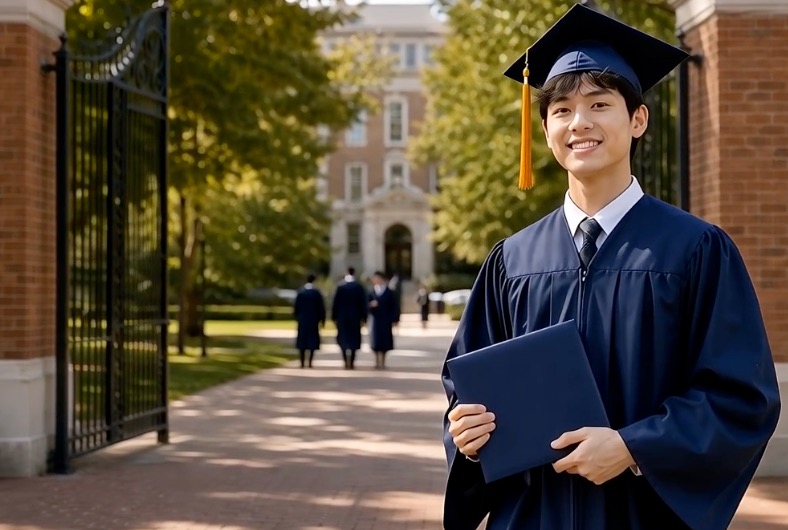
If you want the video to feel emotional, pick a photo with a clear relationship or moment. A parent fixing the graduate's gown, friends laughing together, a student holding a diploma, or a family standing on the campus lawn gives the AI more storytelling context. If you want the video to feel public and celebratory, use a wider group image or a ceremony stage photo. If you want a party invite, start with a bright portrait and describe a festive mood.
How to Make a Graduation Video with insMind
Here is how to make a graduation video with insMind in four practical steps. The workflow matches the graduation video maker page: upload your photo, choose the scene and settings, generate the clip, then download and share it.
Step 1: Upload Your Graduation Photos
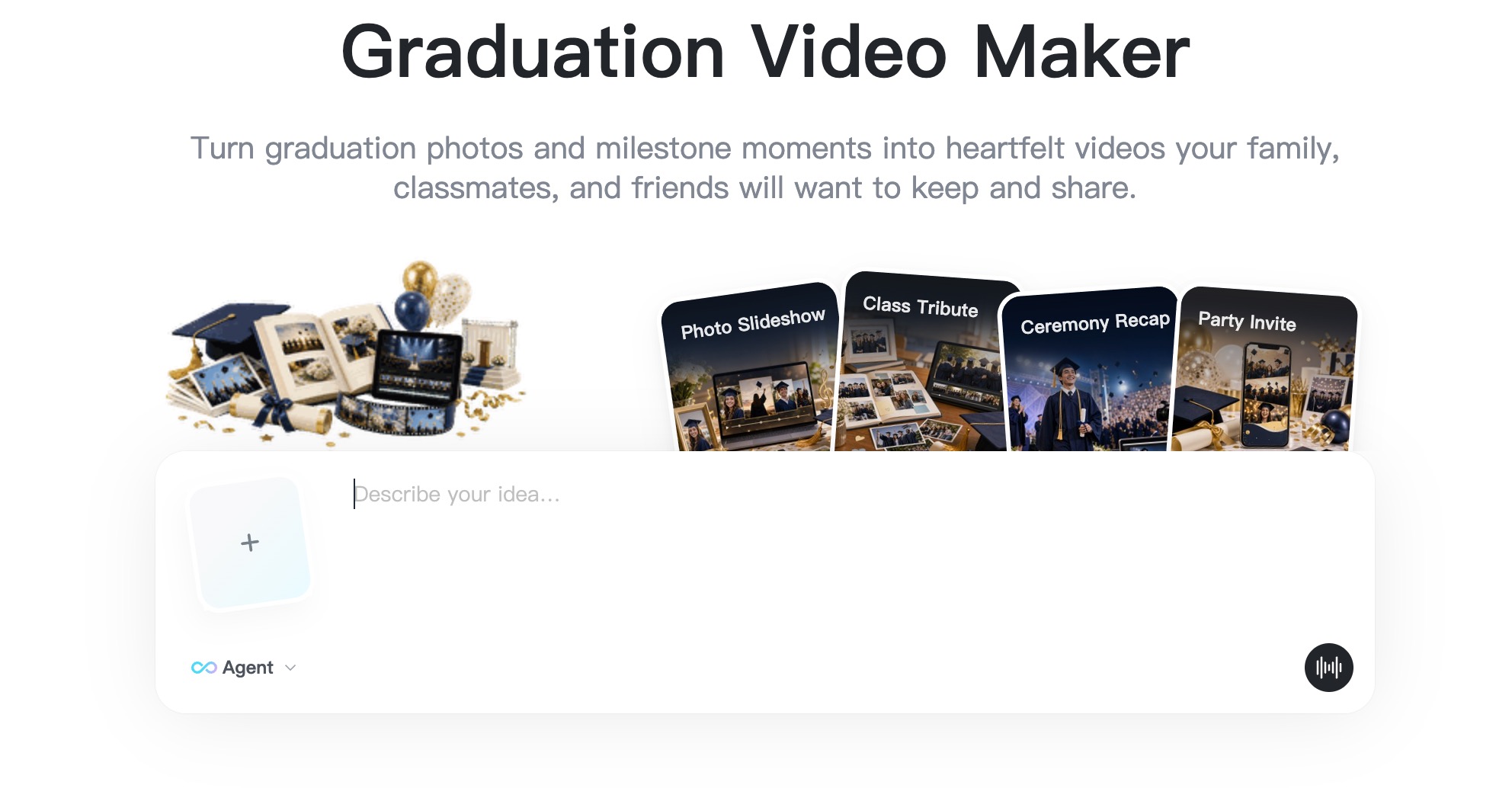
Open the Graduation Video Maker and upload the photo you want to animate. You can use a solo graduation portrait, a family picture, a school-gate shot, a diploma moment, or a classmate celebration photo. For best results, use a bright image where faces, caps, gowns, hands, and background edges are not hidden or heavily blurred.
Step 2: Choose Video Settings and Scene
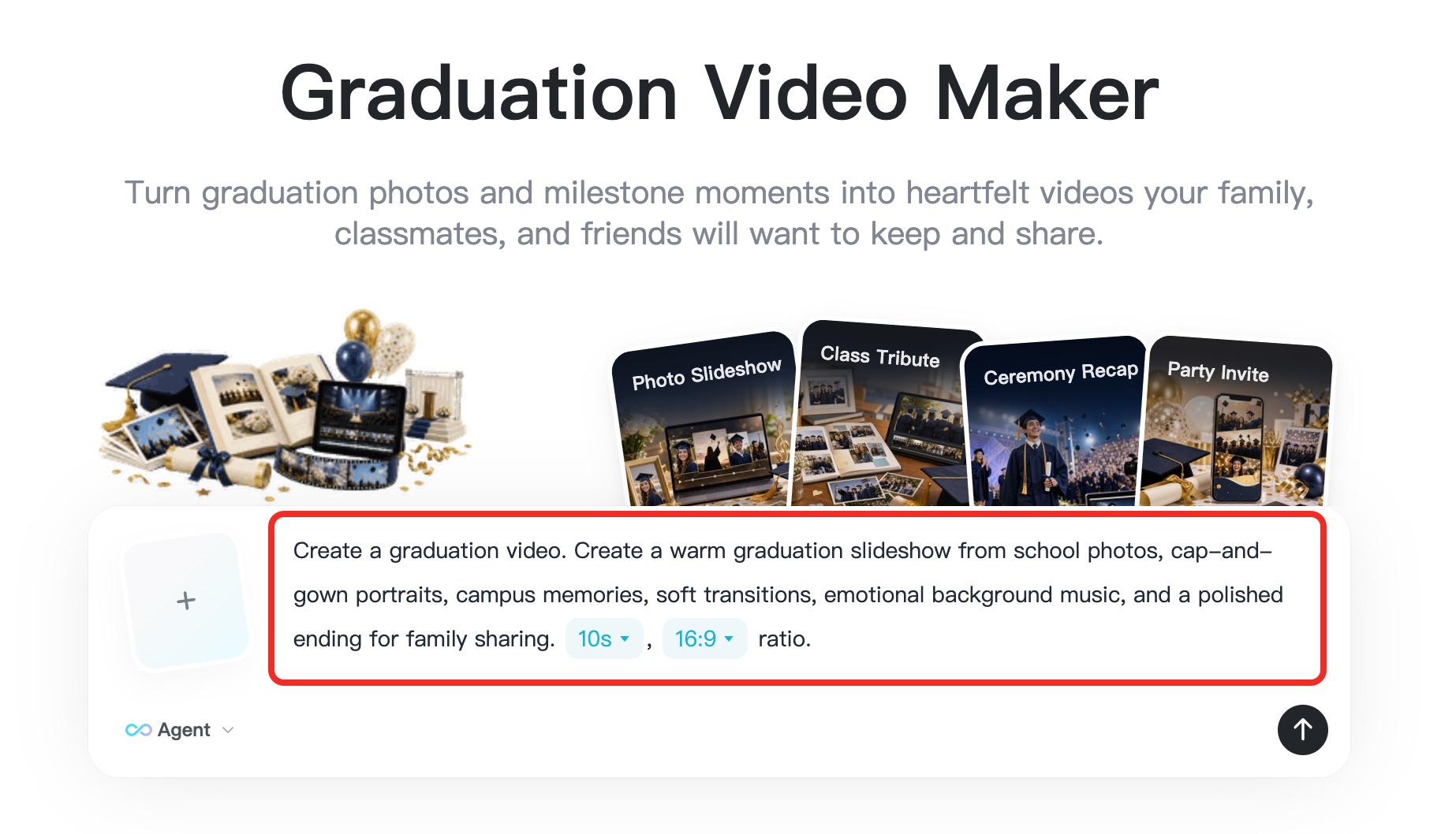
Next, choose the graduation direction you need. Are you making a warm photo slideshow, a class tribute, a ceremony recap, or a party invite? Set the format based on where the video will appear: 16:9 for screens and YouTube-style viewing, or 9:16 for TikTok, Reels, and Shorts. Then write a prompt that describes the scene, mood, camera movement, duration, and music feel.
For example: “Create a 10-second graduation family tribute video. Keep the graduate and family recognizable. Add a slow cinematic dolly-in, soft campus sunlight, gentle movement in gowns and hair, and a warm piano music feeling.” That kind of prompt helps insMind understand both the visuals and the emotional pacing. If you need a broader AI workflow, the main AI video generator page is useful for exploring related video formats.
Step 3: Generate the Graduation Video
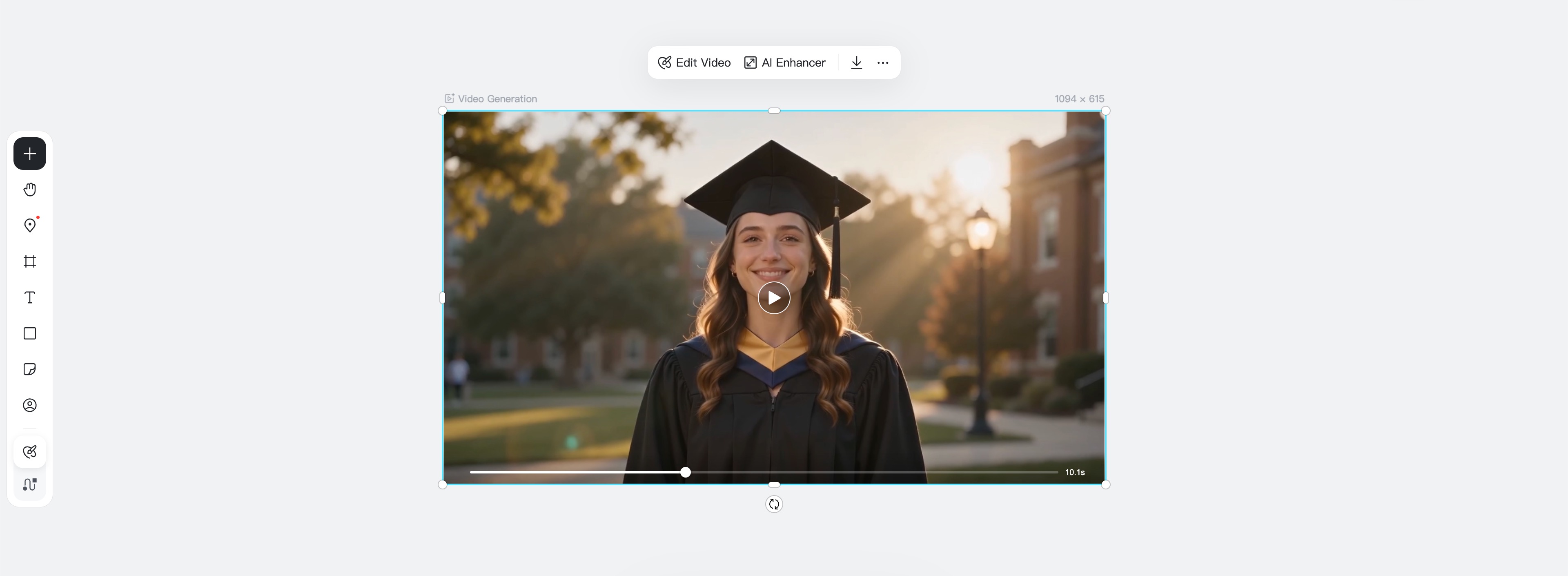
Click generate and let insMind turn your photo into a short video. The AI can add practical motion such as a gentle camera pull, subtle parallax, warm lighting, light applause, classmates celebrating together, or a proud diploma close-up. The result is not a complex edited movie; it is a polished short clip that gives your photo movement and a memory-video feeling.
After the first result, watch it once like a viewer and once like an editor. As a viewer, ask whether the moment feels warm and recognizable. As an editor, check faces, hands, caps, gowns, diplomas, and background lines. If something feels too busy, simplify the prompt. If the motion feels too flat, add one camera instruction such as “slow dolly-in” or “soft pan across the group.”
Step 4: Download and Share the Memory
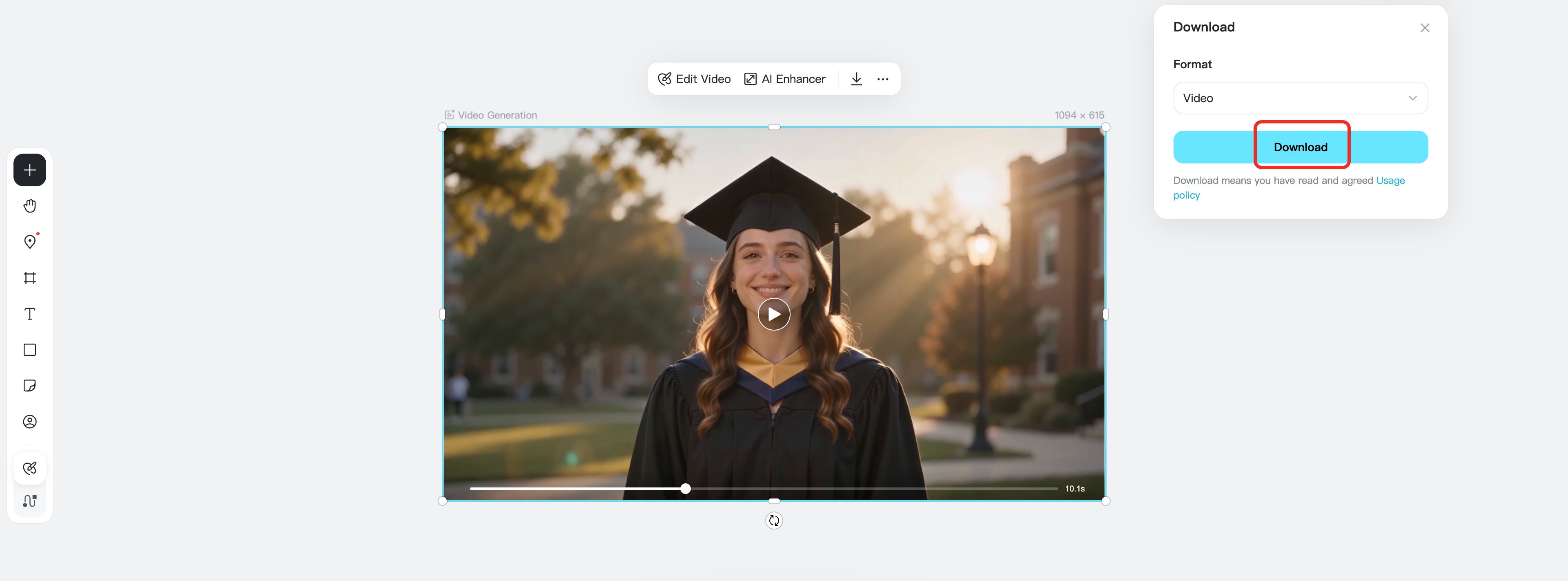
When the video looks right, download it and share it wherever the memory belongs. You can send it in family chats, post it on Instagram or TikTok, play it during a graduation party, add it to a class group recap, or combine several clips into a longer slideshow with music in your favorite editor. If you are wondering how to make a video for graduation quickly, this is the easiest path: one strong photo, one clear prompt, one generated keepsake.
Graduation Video Ideas
Not sure what kind of graduation video to create? Start with the person who will watch it. A family audience may love a heartfelt keepsake. Classmates may prefer a fun recap. Teachers and school communities may want something polished for a ceremony screen or social post.
| Video Idea | Best Starting Photo | Prompt Direction |
|---|---|---|
| Family keepsake | Graduate with parents or siblings | Warm light, gentle camera movement, emotional piano mood |
| Class tribute | Group portrait or friend friendly greeting | Celebratory campus atmosphere, soft smiles, subtle movement |
| Ceremony recap | Diploma handoff or stage photo | Formal lighting, applause feeling, proud ceremony mood |
| Party invite | Bright portrait or cap toss | Upbeat motion, festive energy, vertical social format |
You can also use insMind's text to video AI workflow if you want to generate a scene from a written graduation message instead of starting with a photo.
Tips for Better Results
- Use one main subject. A clear graduate or small group is easier to animate than a crowded ceremony hall.
- Describe the music mood, not just the visuals. Phrases like “soft piano feeling,” “uplifting celebration mood,” or “formal ceremony pacing” help shape the emotional rhythm.
- Pick the right aspect ratio. Use 16:9 for TVs, projectors, and YouTube. Use 9:16 for Reels, TikTok, and Shorts.
- Keep motion gentle. Graduation videos usually look better with soft camera moves than with dramatic action.
- Generate short clips first. A 10-second clip is easier to review, refine, and combine into a longer photo montage.
Common Mistakes to Avoid
The biggest mistake is using a photo that is too blurry, dark, or crowded. AI can add motion, but it cannot magically recover every hidden detail. If faces are tiny or hands are cropped at strange angles, the generated movement may feel less natural.
Another mistake is asking for too much in one prompt. A graduation video should usually have one clear emotional direction: proud family tribute, joyful class recap, formal ceremony moment, or upbeat party invite. If you ask for confetti, fireworks, spinning cameras, dancing, text, applause, and a dramatic zoom all at once, the result may feel chaotic. Keep the prompt focused and build from there.
Frequently Asked Questions
How do I make a graduation video with pictures and music?
Upload a clear graduation photo to insMind, choose the video scene and format, and write a prompt that includes the visual motion plus the music feeling you want, such as warm piano or uplifting celebration. If you want to animate still photos beyond graduation, try the image to video workflow as well. Generate the video, then download it. If you need a full song track, you can add the final clip to your preferred editor and place music underneath.
Can I make a graduation video from only one photo?
Yes. A single strong graduation photo can become a short AI video with camera motion, soft lighting, and memory-style pacing. You can later combine multiple generated clips into a longer slideshow if you want a full class or family recap. For other milestone memories, insMind also offers a tribute video maker for heartfelt personal stories.
What should I write in a graduation video prompt?
Mention the people, setting, mood, camera movement, length, and aspect ratio. A strong prompt might say: “Create a 10-second graduation tribute video from this family photo, keep everyone recognizable, add a slow dolly-in, soft campus light, gentle gown movement, and a warm emotional mood.” If you prefer building a scene from text instead of a photo, use text to video AI for prompt-first video ideas.
What is the best length for a graduation video?
For one animated photo, 6 to 10 seconds is usually enough. For a full slideshow, combine several short clips and keep the final video around 30 to 90 seconds, depending on whether it is for social media, family sharing, or a ceremony screen. You can also explore the broader AI video generator hub for more video styles.
Create Your Graduation Video
Graduation goes by fast, but the photos do not have to stay still. With insMind, you can turn a meaningful graduation picture into a polished keepsake video in minutes. Upload the photo, describe the moment, choose the format, generate the clip, and share a memory that feels alive.


