


YouTube Shorts has become one of the fastest-growing content formats online. Short-form vertical videos now drive discovery, audience growth, and even full-time creator careers. But producing Shorts consistently can feel overwhelming — scripting, editing, subtitles, visuals, pacing, and posting all take time.
That's where AI changes the game.
Instead of spending hours editing videos manually, AI tools now help creators generate scripts, animate visuals, convert images into videos, add captions automatically, and optimize content for engagement — often within minutes.
This guide walks you through exactly how to make YouTube Shorts with AI, even if you've never edited a video before. Whether you're a marketer, creator, or business owner, you'll learn a repeatable workflow you can scale.
Table of Contents
Why Use AI for YouTube Shorts?
Before jumping into the steps, it helps to understand why AI-powered creation is becoming the default workflow.
AI helps you:
-
Create videos without filming
-
Turn images into motion content
-
Maintain consistent posting schedules
-
Reduce editing time by 80–90%
-
Test multiple content ideas quickly
Instead of acting as a replacement for creativity, AI works best as a creative accelerator.
What Makes a YouTube Short Perform Well?
Successful Shorts typically include:
-
A strong hook within the first 2 seconds
-
Fast pacing and visual movement
-
Clear storytelling
-
Captions for silent viewers
-
Vertical 9:16 format
-
Length between 7–30 seconds
AI tools help automate nearly all of these performance elements.
Step-by-Step: How to Make YouTube Shorts with AI
Step 1: Upload Your Image
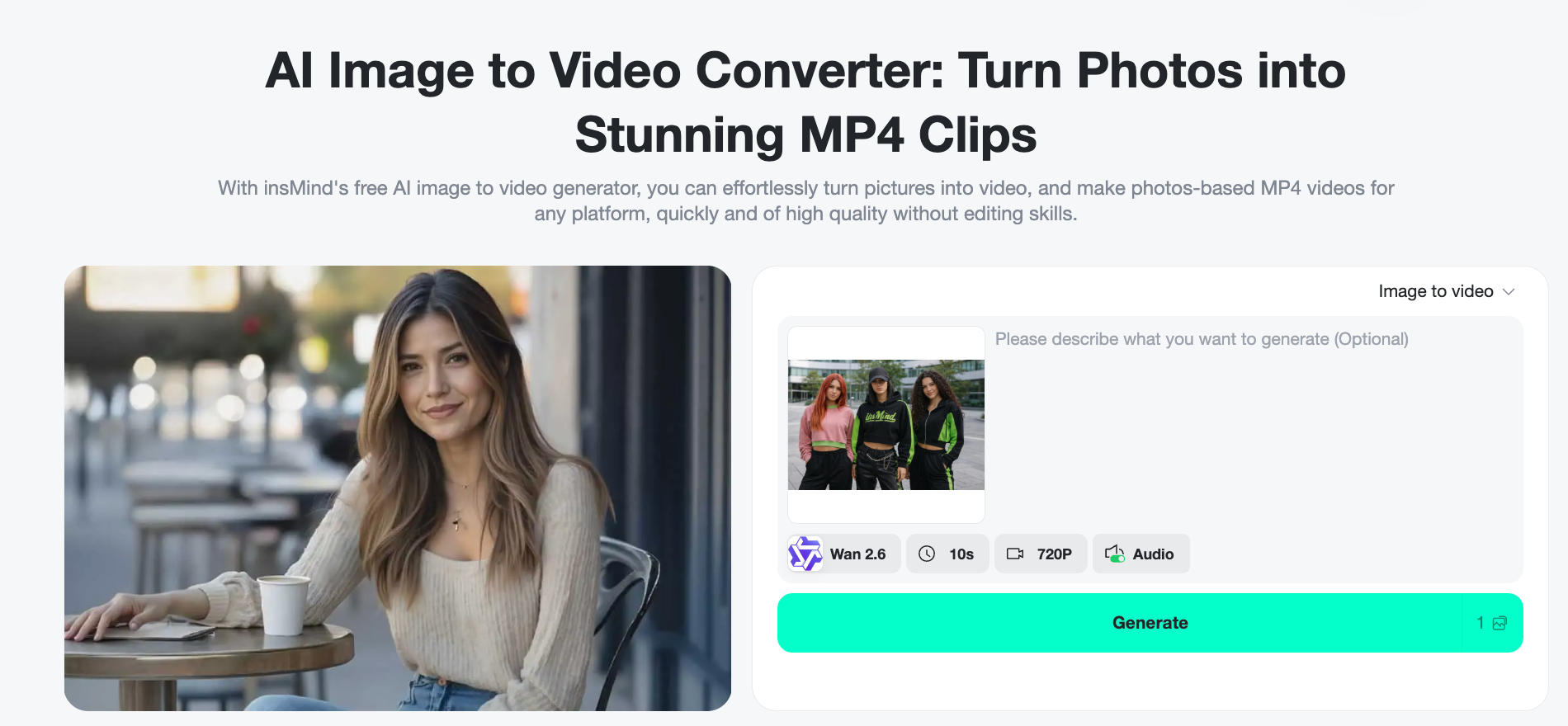
Start by opening the image-to-video generator and uploading the image you want to turn into a YouTube Short. This can be almost anything:
-
A product photo
-
A logo or brand graphic
-
A character or avatar image
-
A lifestyle or marketing visual
Using images is one of the easiest ways to create Shorts because you don't need to film anything. AI can transform a static photo into motion scenes with camera movement, transitions, and cinematic effects.
Step 2: Enter Your Prompt
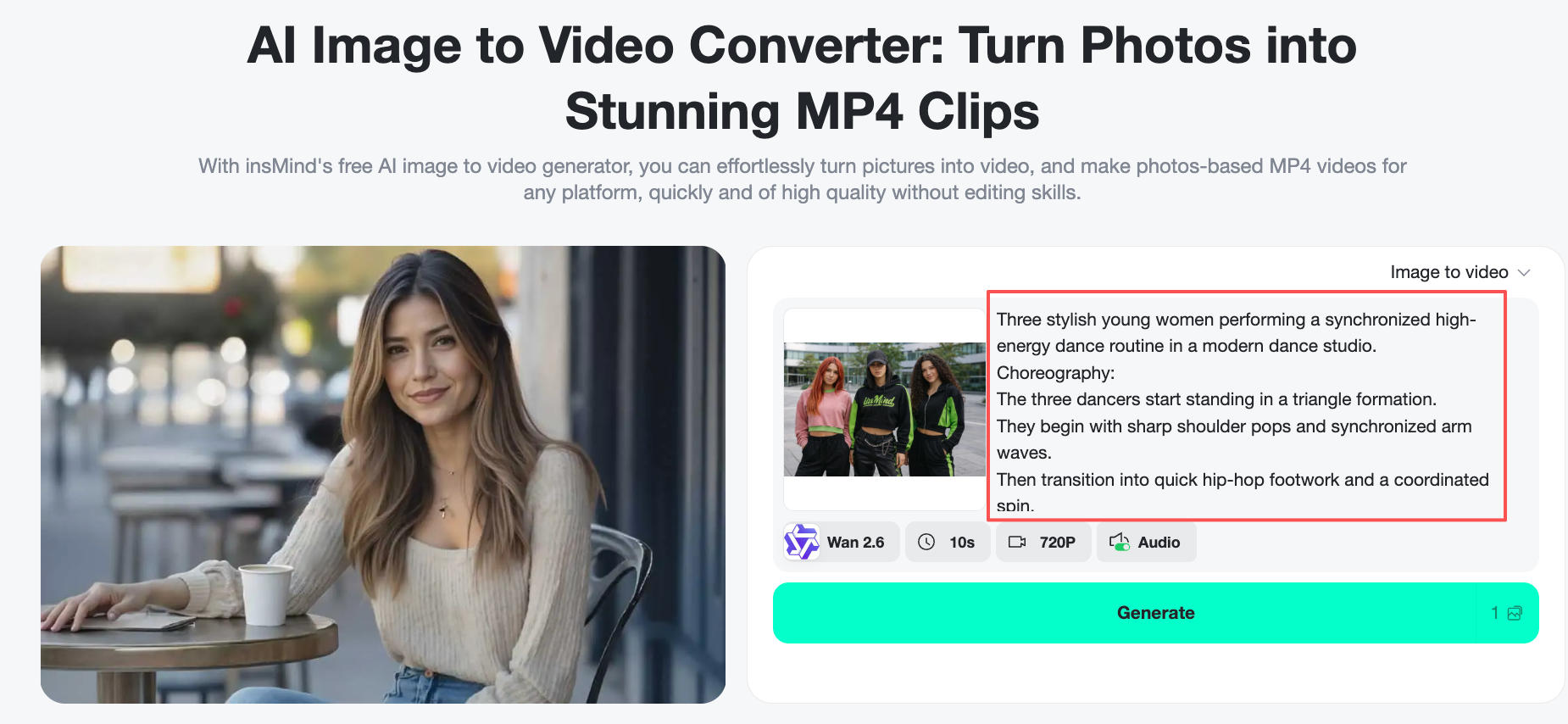
Once your image is uploaded, describe the video you want the AI to generate.
Your prompt tells the AI how the scene should move, what style it should follow, and what story it should communicate. Think of it as directing the video.
You can include elements such as:
-
Scene movement or camera motion
-
Visual style or mood
-
Actions happening in the video
-
A short narrative idea
Strong prompts often follow a simple structure:
Hook → Visual Action → Key Message → Call-to-Action
Keep prompts clear and conversational. Shorts are fast-paced, so the visuals should quickly capture attention within the first few seconds.
Step 3: Configure Video Settings and Choose an AI Model
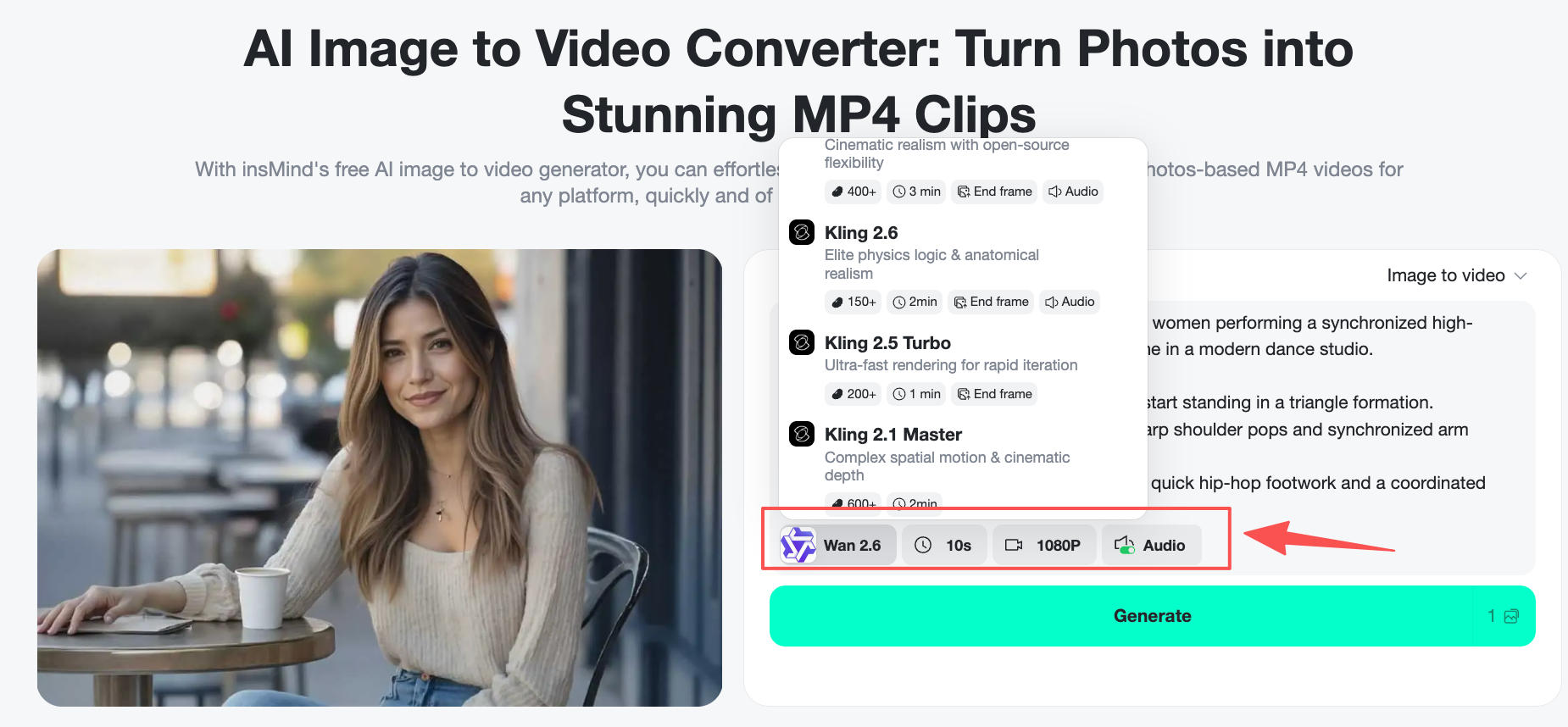
Before generating the video, adjust the key settings to optimize it for YouTube Shorts.
Start by selecting an AI model that supports high-quality motion or audio features, such as Kling 2.6, Wan 2.6, or Google Veo 3.1. These models help create smoother animations, better scene transitions, and more realistic motion.
Next, configure your video settings:
-
Aspect ratio: 9:16 (required for YouTube Shorts)
-
Resolution: 1080 × 1920 recommended
-
Video duration: keep it short and engaging
Style or motion intensity: depending on the visual effect you want
Vertical optimization is essential because Shorts are designed for mobile viewing. Using the correct 9:16 format ensures your content fills the screen and looks professional.
These settings help the AI generate a video that feels polished and ready for social media without additional editing.
Step 4: Generate and Download Your Video
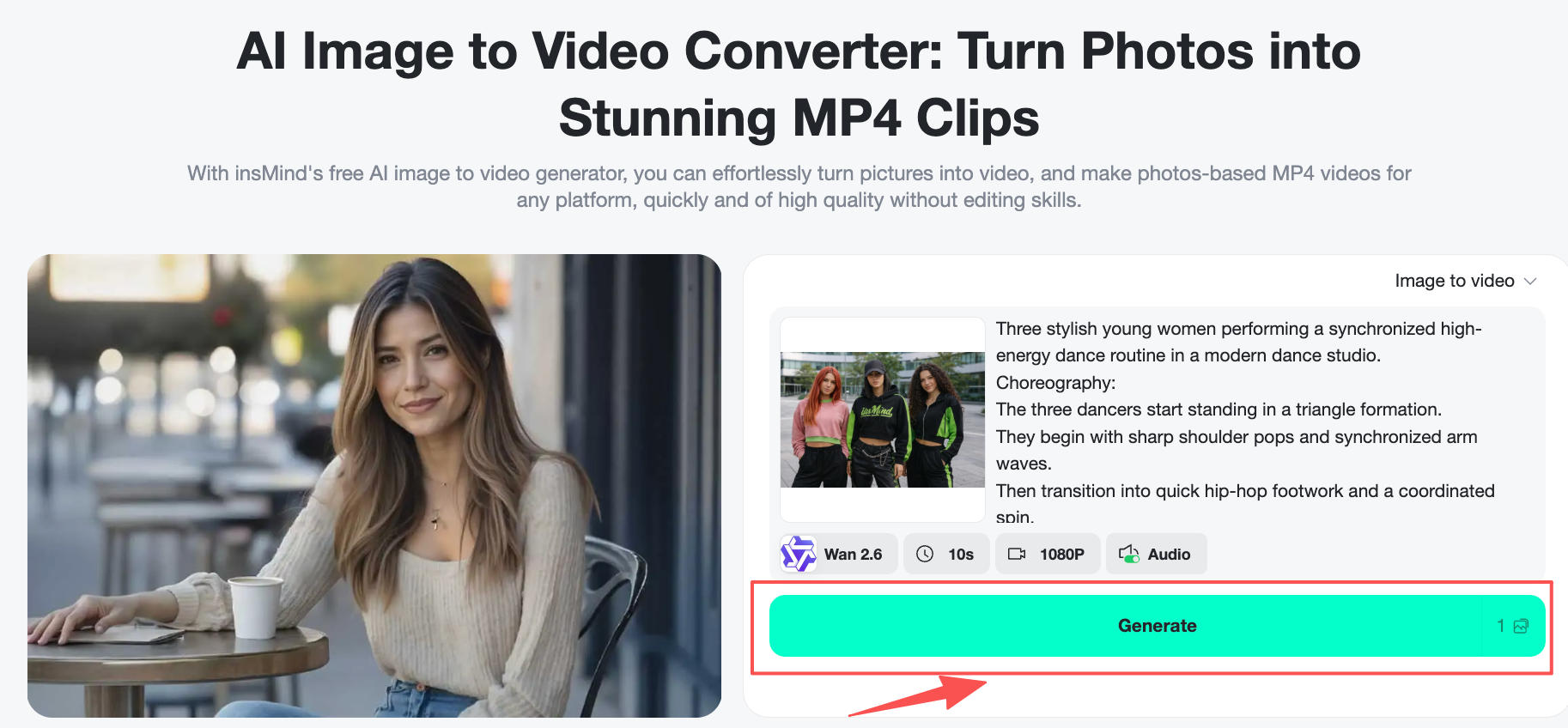
Once everything is ready, click Generate and let the AI create your YouTube Short automatically.
Within moments, the tool will produce a video with:
Smooth scene transitions
Dynamic camera movement
Engaging visual effects
Motion optimized for vertical viewing
After the generation process finishes, simply download your video and upload it directly to YouTube Shorts.
At this stage, you can add a clear call-to-action in your caption or video description, such as:
- “Follow for more tips”
- “Watch part 2”
- “Try this today”
- “Comment your thoughts”
Best Types of YouTube Shorts You Can Make with AI
Educational Shorts
Explain concepts quickly using animated visuals and captions.
Marketing Videos
Turn product images into promotional Shorts.
Storytelling Shorts
AI-generated scenes help visualize narratives without filming.
Faceless Content Channels
Perfect for creators who prefer anonymity.
AI Demo Videos
Show transformations or tool workflows.
How AI Helps Businesses Use YouTube Shorts
Businesses increasingly use Shorts for:
-
Product education
-
Feature announcements
-
Brand storytelling
-
Ad testing
-
Social proof clips
AI reduces production costs while maintaining consistent branding.
Frequently Asked Questions
1. Can beginners really make Shorts using AI?
Yes. Most AI tools remove editing complexity, allowing beginners to create videos quickly.
2. Do AI-generated Shorts perform well on YouTube?
Performance depends on storytelling and retention, not whether AI was used.
3. Do I need to show my face?
No. Faceless AI Shorts are one of the fastest-growing content formats.
4. How long should AI Shorts be?
Typically 15–30 seconds performs best for retention.
5. Can I reuse images to create videos?
Yes. Image-to-video workflows are widely used for marketing and storytelling.
6. Is posting daily necessary?
Consistency helps, but quality and retention matter more.
7. Are captions really important?
Yes — many viewers watch without audio.
8. Can AI help with ideas too?
Absolutely. AI can generate topics, scripts, and variations.
9. Should I edit manually after AI generation?
Minor tweaks help, but full editing usually isn't required.
10. Can businesses use AI Shorts for marketing?
Yes, many brands now rely on AI Shorts for scalable content marketing.
Final Thoughts
Creating YouTube Shorts used to require filming equipment, editing skills, and hours of production time. Today, AI dramatically lowers the barrier.
The most successful creators are no longer the best editors — they are the ones who publish consistently, test ideas quickly, and iterate using data.
By combining creativity with AI automation, you can turn simple ideas, images, or scripts into engaging Shorts that grow your audience faster than traditional workflows ever allowed.
Start small, experiment often, and let AI handle the heavy lifting.

Sarah Michelle
I'm a freelance writer with a passion for editing and designing photos. Here at insMind, I strive to educate users on image creativity, photography, and enhancing product photos to help grow their businesses.


![How to Add Logo to Photos Online for Free [The Simplest Method]](https://static.xsbapp.com/market-operations/market/side/1718795949162.jpg?x-oss-process=image/resize,w_690,h_460,type_6/interlace,1,image/format,webp "How to Add Logo to Photos Online for Free [The Simplest Method]")
![How to Remove Tattoos from Photos [Ultimate Guide 2025]](https://static.xsbapp.com/market-operations/market/side/1718787534476.jpg?x-oss-process=image/resize,w_690,h_460,type_6/interlace,1,image/format,webp "How to Remove Tattoos from Photos [Ultimate Guide 2025]")


